Event overwatch
Support situational awareness across large public gatherings, waterfronts, and dispersed venues. Agencies can evaluate platforms around coverage, live video, operating time, communications, and evidence-handling needs.
Air and sea systems give public agencies new ways to observe, inspect, search, document, and patrol. We source by mission profile, operating environment, training need, and compliance requirement.
Aerial systems can shorten the time between arrival and awareness. The right platform depends on payload, endurance, environment, communications, airspace constraints, training, and agency policy.
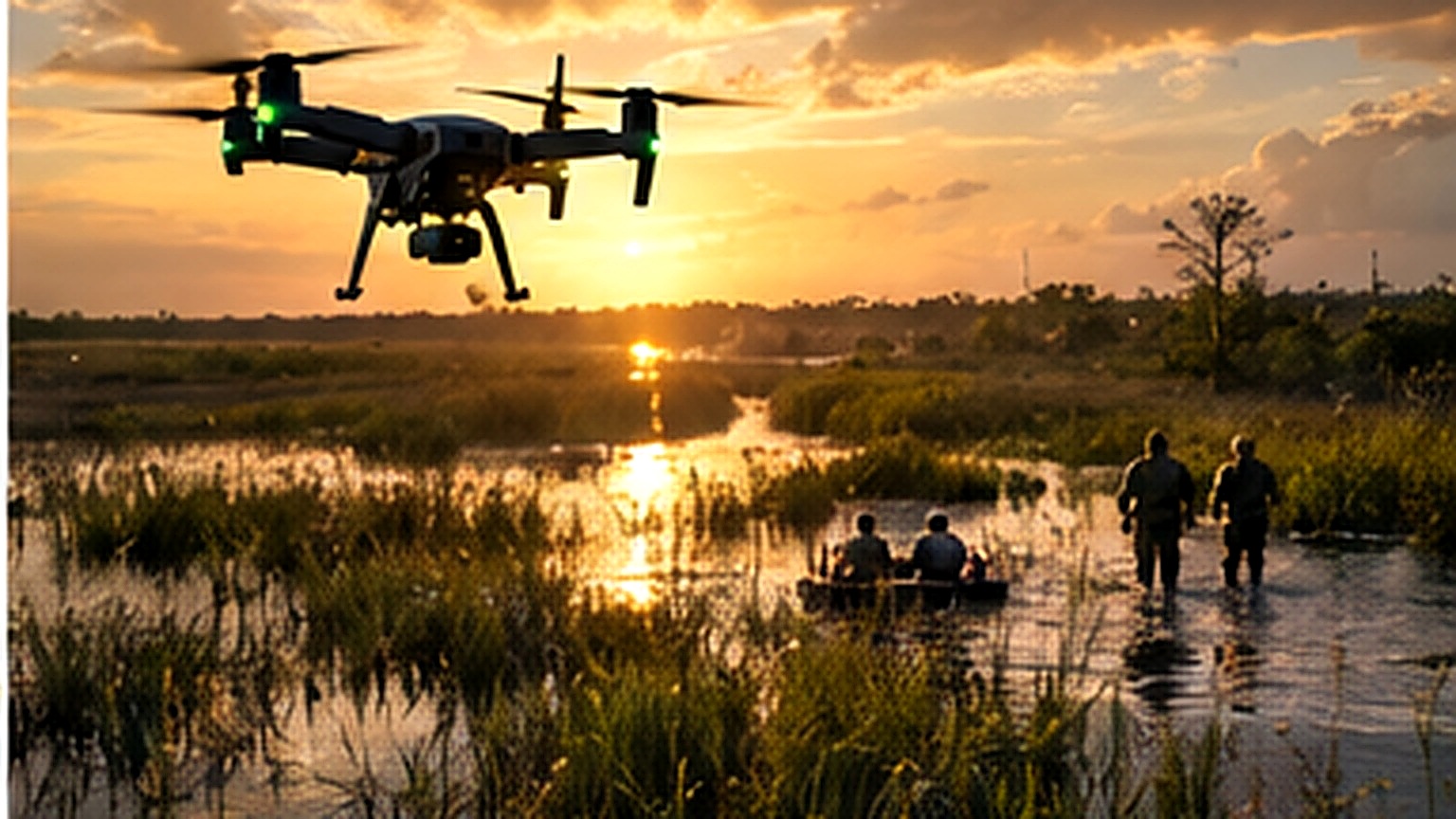
Cover broad or difficult terrain faster and give teams an overhead view of likely search areas. Sensor and endurance requirements can be matched to daylight, low-light, thermal, and mapping needs.
Document scenes from above and support mapping workflows without keeping personnel in active traffic lanes longer than necessary. Platform and software choices can be aligned to the agency's evidence and reconstruction process.
Support situational awareness across large public gatherings, waterfronts, and dispersed venues. Agencies can evaluate platforms around coverage, live video, operating time, communications, and evidence-handling needs.
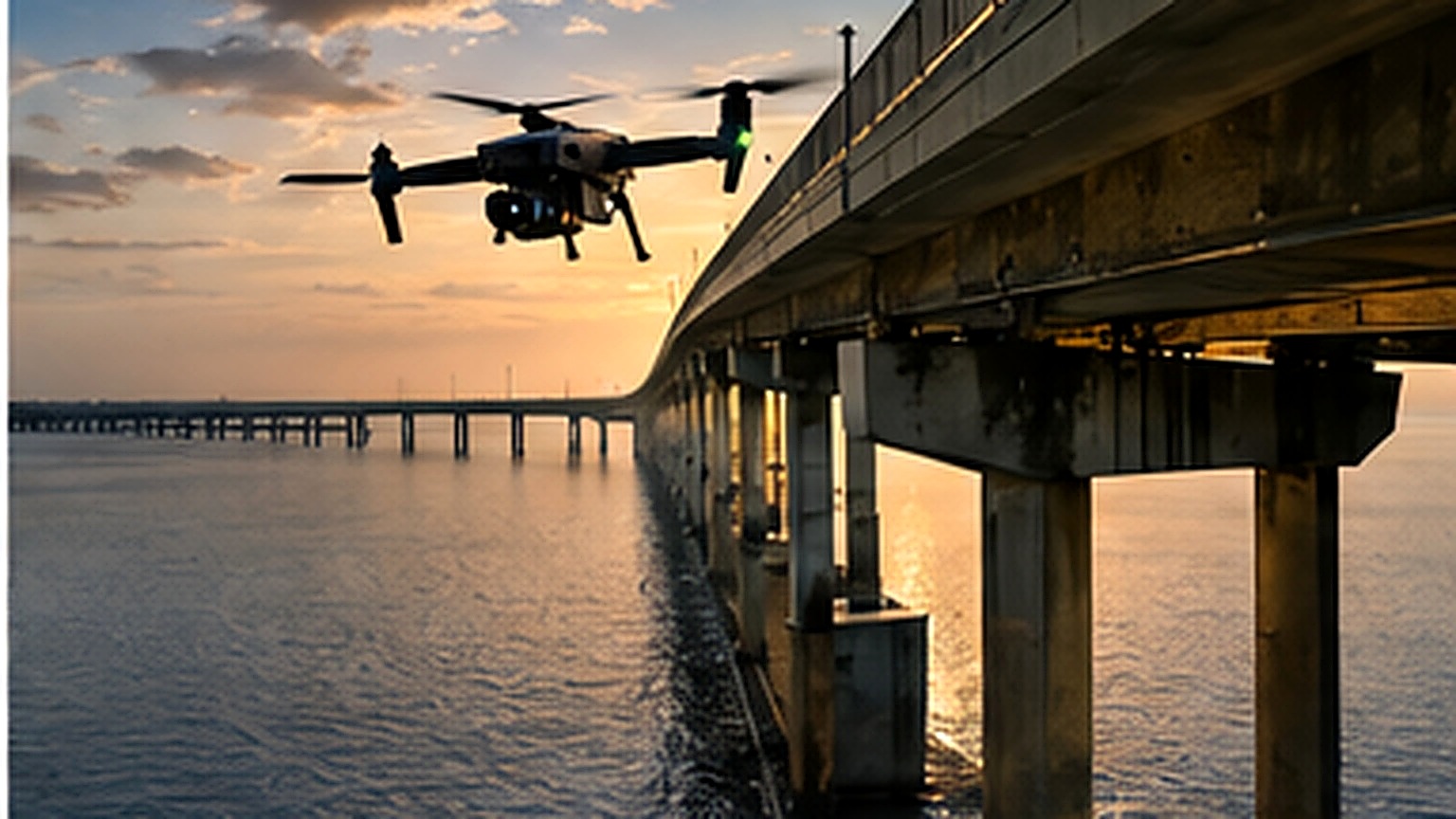
View bridges, utilities, roofs, towers, and other difficult-to-access structures while reducing exposure to heights or traffic. Payloads can be matched to visual, thermal, mapping, or documentation requirements.
Maritime and underwater systems can extend inspection, search, and patrol capabilities into environments where access, visibility, current, and diver safety affect the mission.
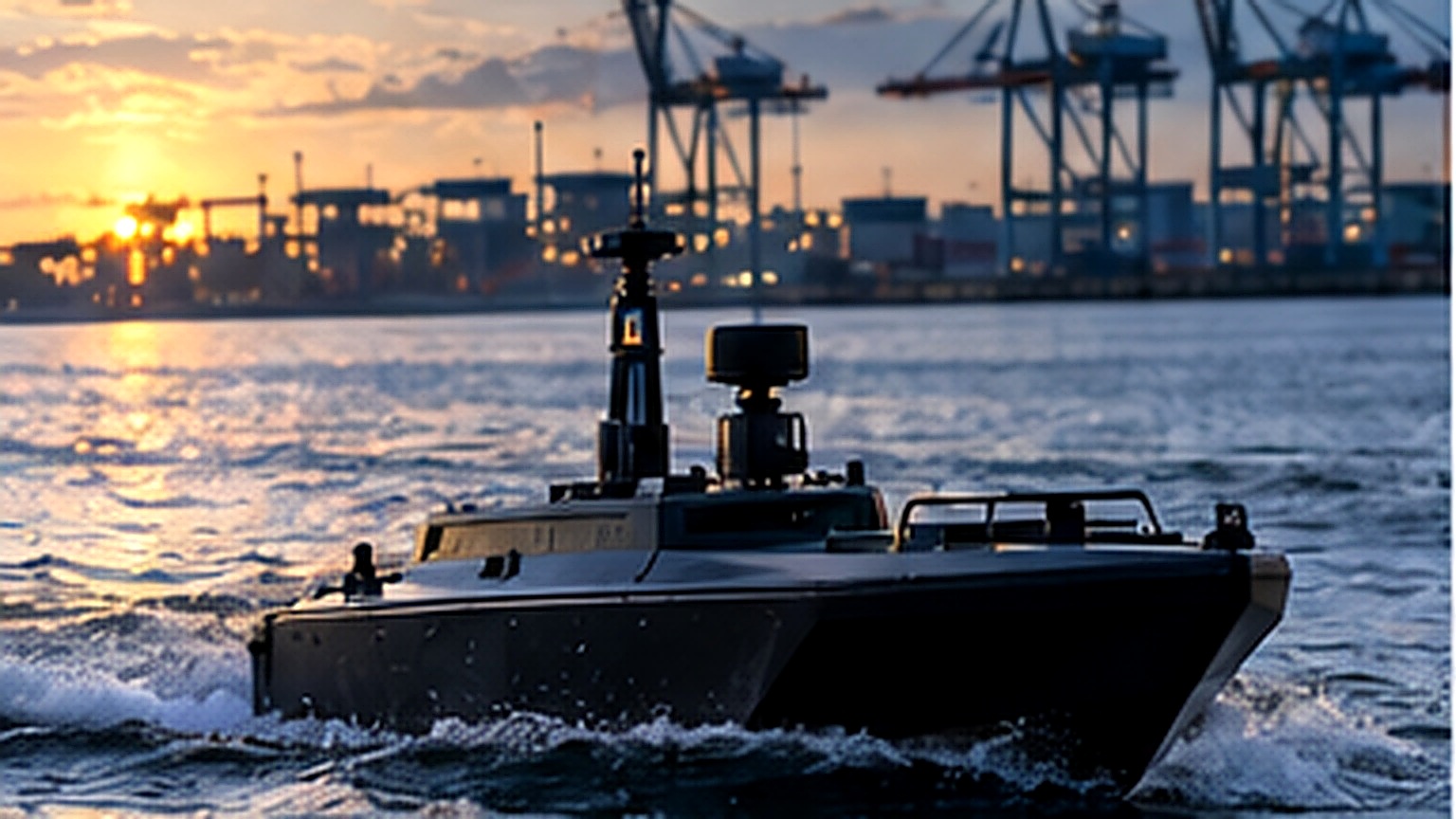
Use unmanned surface platforms to increase awareness around working ports, restricted areas, critical waterfront infrastructure, and patrol routes. System choices can be matched to endurance, sensors, autonomy, communications, and local operating conditions.
Support persistent observation or targeted patrol in canals, rivers, marinas, and coastal environments. The mission profile determines whether the priority is range, low-speed station keeping, sensor payload, or remote operation.
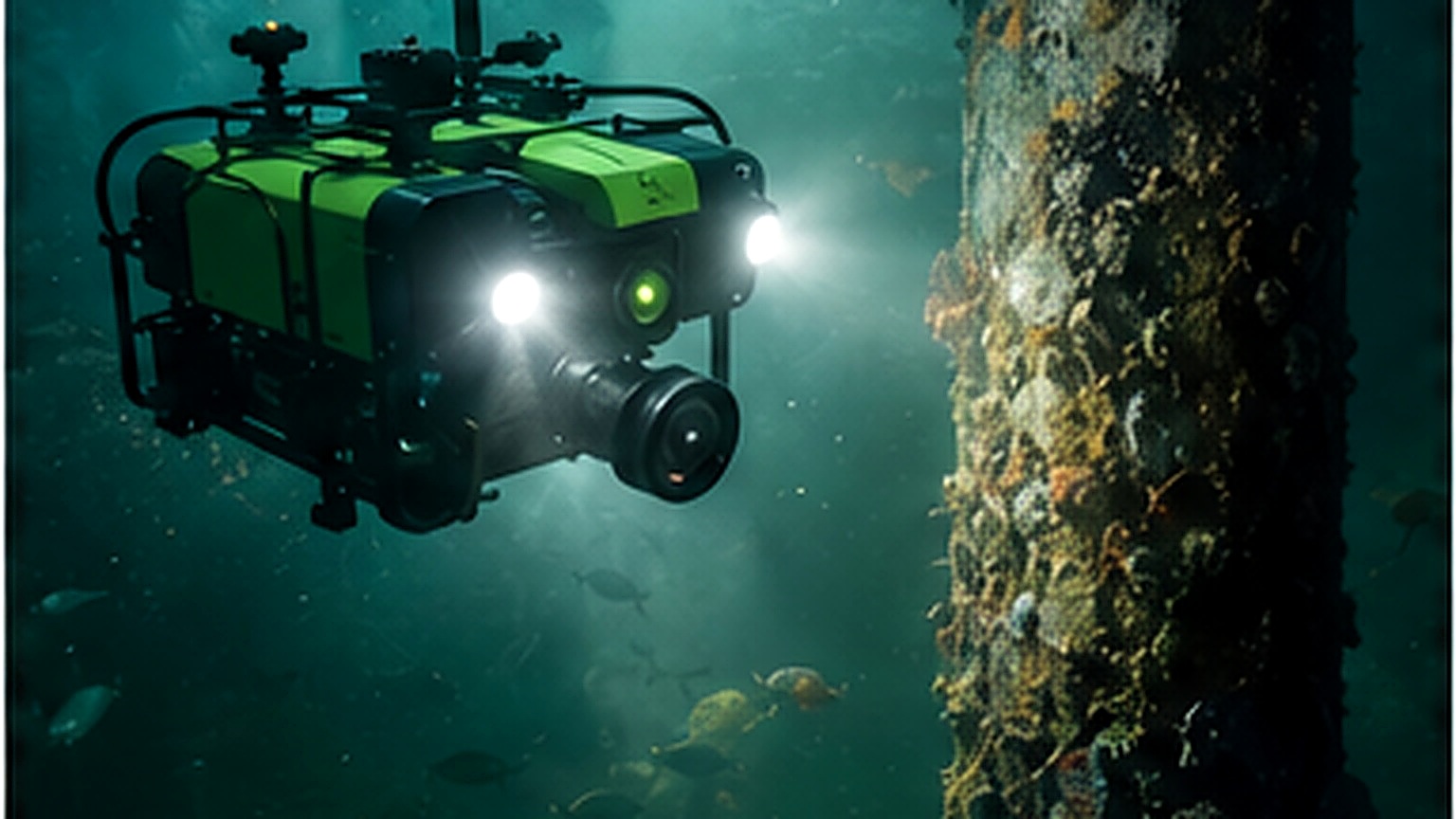
Use compact ROVs to examine pilings, seawalls, hulls, intakes, and submerged structures while keeping operators topside. Camera, lighting, sonar, tether, depth, and maneuverability requirements can be matched to the site.
Extend visual and sensor coverage into low-visibility water and constrained areas. Platform selection can be based on depth, current, search area, sonar needs, manipulator requirements, and evidence workflows.
A useful system also needs a workable operating model for people, policy, support, and compliance.
Operator onboarding, mission planning, sensor workflows, recurrent proficiency, and agency procedures should be considered before deployment.
Plan for batteries, spares, field replacement, maintenance, software, warranty, repair turnaround, and lifecycle support.
Platform eligibility, NDAA requirements, state-approved options, airspace rules, local policy, cybersecurity, data handling, and procurement conditions can all affect selection.
We will help narrow the platform, payload, support, and compliance considerations.